
The Psychological Horror of Silent Hills Storytelling
The realm of video games has long been a fertile ground for psychological horror, but few franchises have managed to intertwine storytelling and emotional depth as effectively as Silent Hill. With its foreboding atmosphere and complex narratives, Silent Hill challenges players not only with scares but with an exploration of human psyche and existential dread. The intricately woven stories delve into themes of guilt, fear, and trauma, creating a unique experience that remains unparalleled in the horror genre. The potential of Silent Hill's storytelling lies in its ability to hold a mirror to the psychological struggles of its characters—revealing that the true horror often exists within ourselves.
The Power of Location
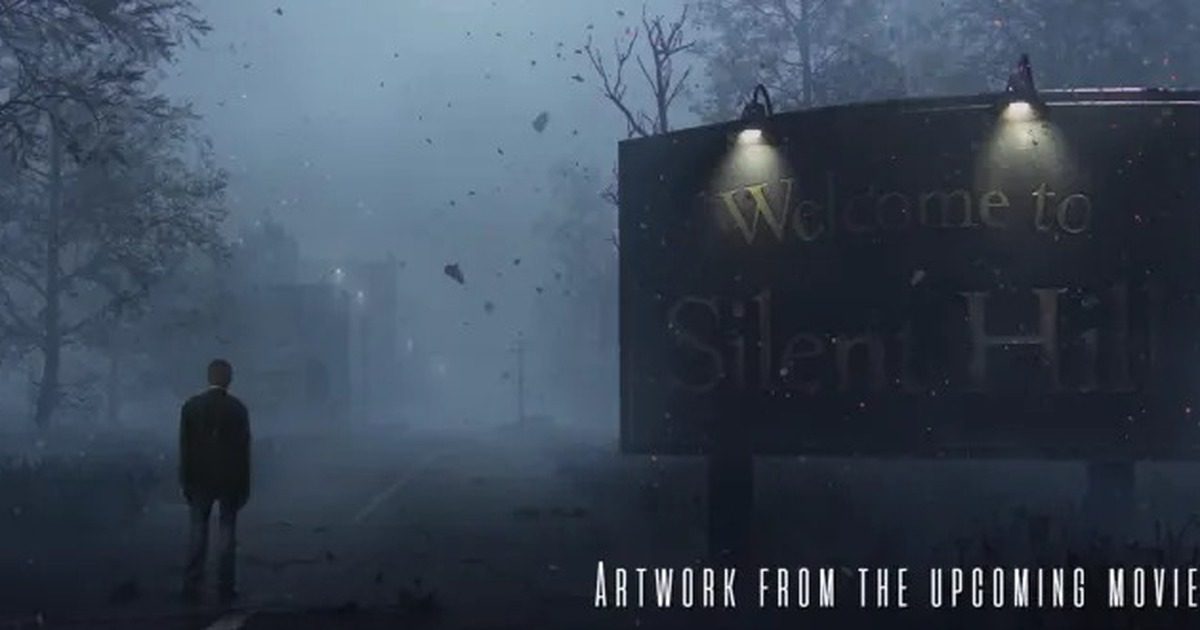
Central to the psychological horror embedded within Silent Hill is the use of location as a character itself. The town of Silent Hill, shrouded in fog and mystery, transforms into a living entity that reflects the inner turmoil of its inhabitants. Players traverse environments that convert personal fears into tangible threats, blurring the lines between reality and the psyche. Atmospheric elements like the oppressive fog, disturbing sound design, and haunting visuals immerse players in a relentless sense of dread, mirroring the characters' descent into madness. This innovative approach to setting not only enhances the gameplay experience but also amplifies the psychological undertones that drive the narrative forward.
Character Development and Trauma
At the heart of Silent Hill's storytelling are its richly developed characters, each battling their own demons. For example, James Sunderland's journey in Silent Hill 2 serves as a tragic exploration of grief and guilt regarding his late wife, Mary. The psychological horror lies not only in the terrifying manifestations of his past but also in the way he confronts his inner conflicts. Each character reflects a different facet of human emotional struggles, revealing that the most terrifying monsters often arise from within. The effectiveness of this character-driven narrative is further emphasized by the unique descent players experience as they uncover their backstories, leading to a deeper psychological engagement with the game.
The Symbolism of Monsters
The creatures that haunt players throughout Silent Hill are not merely antagonists; they are potent symbols of the characters' fears and traumas. Each monster embodies psychological elements that reflect the protagonists' unresolved issues. For example, the infamous Pyramid Head represents punishment and repressed guilt, making him a terrifying yet deeply compelling figure within the lore. This symbolic storytelling invites players to analyze their interpretation of fear, engaging with the narrative on a much deeper level. By understanding the psychological implications of these entities, players can unravel the layers of storytelling that Silent Hill so masterfully crafts.
Expanding the Universe with Silent Hill Merch
The legacy of Silent Hill extends beyond the confines of its games, with an expansive array of Silent Hill merch that keeps the stories alive and thriving in fan culture. Collectibles like action figures, art books, and apparel allow fans to embrace and commemorate the emotional narrative and psychological horrors presented throughout the franchise. Each item acts as a reminder of the themes explored in the games—a physical connection to the haunting experience that Silent Hill delivers. These merchandise pieces serve not only as visual reminders of the horror but also as a way for fans to delve deeper into the lore, spark discussions, and maintain the community surrounding this iconic franchise.
In conclusion, the psychological horror of Silent Hill is rooted in its complex storytelling that engages with the human condition. Through the unique portrayal of setting, character development, symbolic monsters, and an enthusiastic fanbase fueled by Silent Hill merch, the franchise has solidified its place within the world of horror gaming. The intricate narratives invite players into a realm where the true terror lies not just in the external horrors of the town, but within their own minds—the most frightening territory of all.