
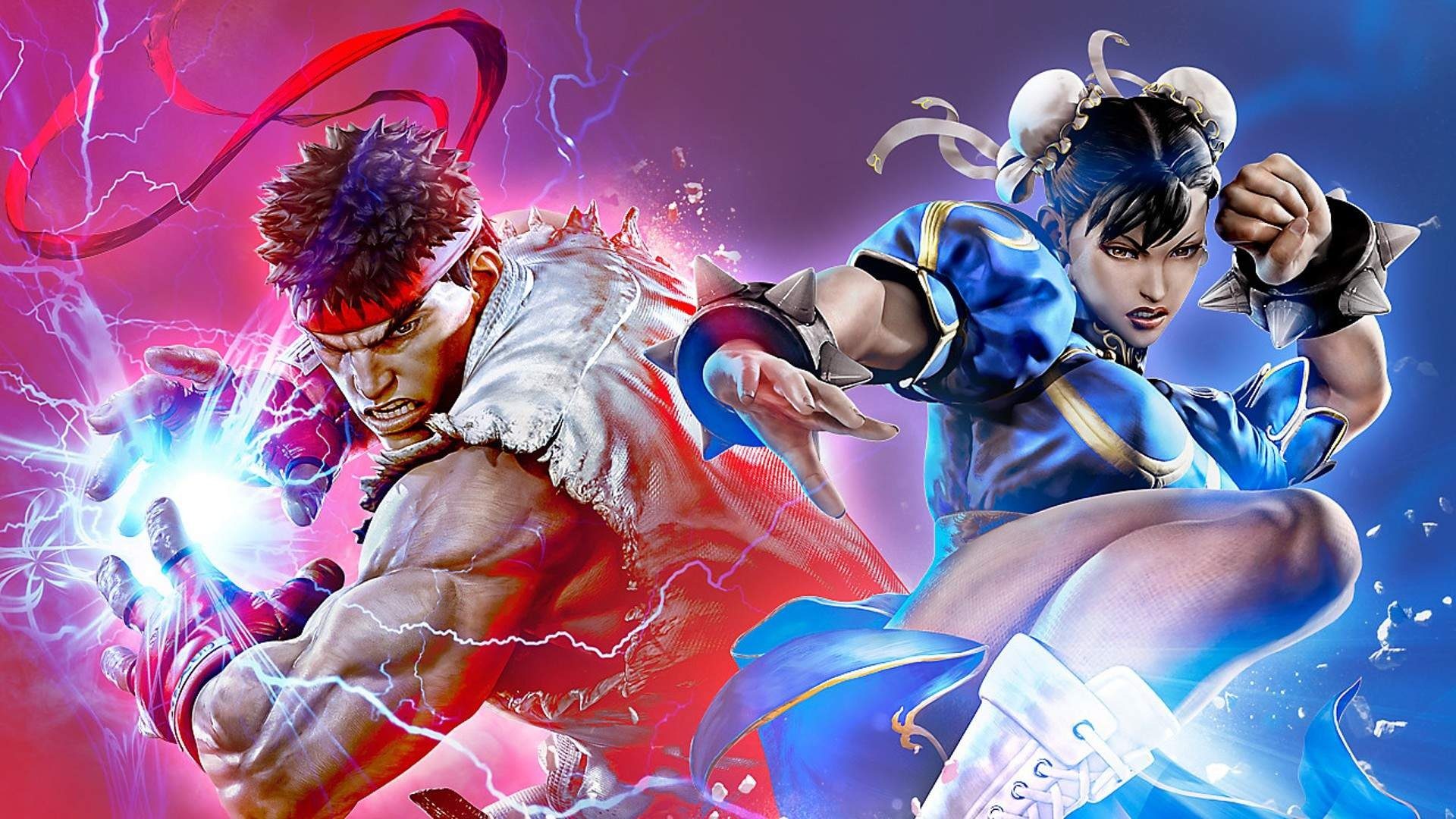
The Art of Fighting: How Street Fighter Changed Gaming Graphics Forever
Since its inception, gaming has always been a blend of art and technology, with each advancement in graphics pushing the boundaries of what is possible. Among the iconic franchises that have contributed to this evolution, Street Fighter stands out as a game that not only redefined fighting mechanics but also revolutionized the visual landscape of video games. This blog will delve into how Street Fighter, particularly its various installments, changed gaming graphics forever.
The Early Days of Street Fighter
The Street Fighter franchise debuted in 1987, introducing players to a new form of competitive gaming that was both engaging and visually appealing. The original game featured rudimentary graphics by today’s standards, but it was groundbreaking at the time. Players could choose from a variety of characters, each with unique moves. The 2D sprite-based graphics were vibrant and colorful, showcasing the artistic potential of video games. This set the stage for future iterations to innovate further in terms of graphics and gameplay.
Advancements in Graphics with Street Fighter II
Street Fighter II, released in 1991, marked a significant turning point not only for the franchise but for gaming graphics overall. The game introduced a multitude of characters with intricate animations and distinct fighting styles. The graphics were smooth, and the backgrounds were beautifully hand-drawn, creating an immersive experience for players. The use of vibrant color palettes and detailed character sprites was revolutionary, captivating players and influencing countless other games. This installment exemplified how graphics could enhance gameplay and storytelling, setting a new standard in the gaming industry.
The Transition to 3D Graphics
As technology continued to evolve, so did the Street Fighter series. With the release of titles like Street Fighter EX and Street Fighter IV, the franchise made a bold transition into 3D graphics. The stylish cell shading of Street Fighter IV combined with its rich character designs and fluid animations showcased what was possible on newer hardware. This shift demonstrated how 3D graphics could maintain the essence of 2D classics while introducing new dimensions to the gameplay experience. The stunning visuals of these games not only attracted long-time fans but also welcomed a new generation of players, further solidifying the series' impact on the gaming community.
Street Fighter's Lasting Influence and Merchandising
The legacy of Street Fighter extends far beyond its gameplay and graphics; it has also carved a niche in merchandise, including “Street Fighter Official Merch.” Fans of the game can find a plethora of products, ranging from action figures and apparel to art prints featuring their favorite characters. This merchandise not only allows fans to express their love for the franchise but also showcases the iconic art style that has become synonymous with Street Fighter. The continued popularity of such merchandise speaks to the enduring influence of the series on both gaming culture and pop culture at large.
In conclusion, the impact of Street Fighter on gaming graphics is immeasurable. From its humble beginnings with simple graphics to the stunning 3D visual experiences of today, the franchise has consistently pushed the limits of what is possible. Not only did it set a new standard for the art of fighting games, but it also influenced a generation of developers and artists. The amalgamation of immersive graphics, dynamic gameplay, and a robust merchandising strategy ensures that Street Fighter remains a pivotal chapter in the story of video games, inspiring future generations of gamers and creators alike.