
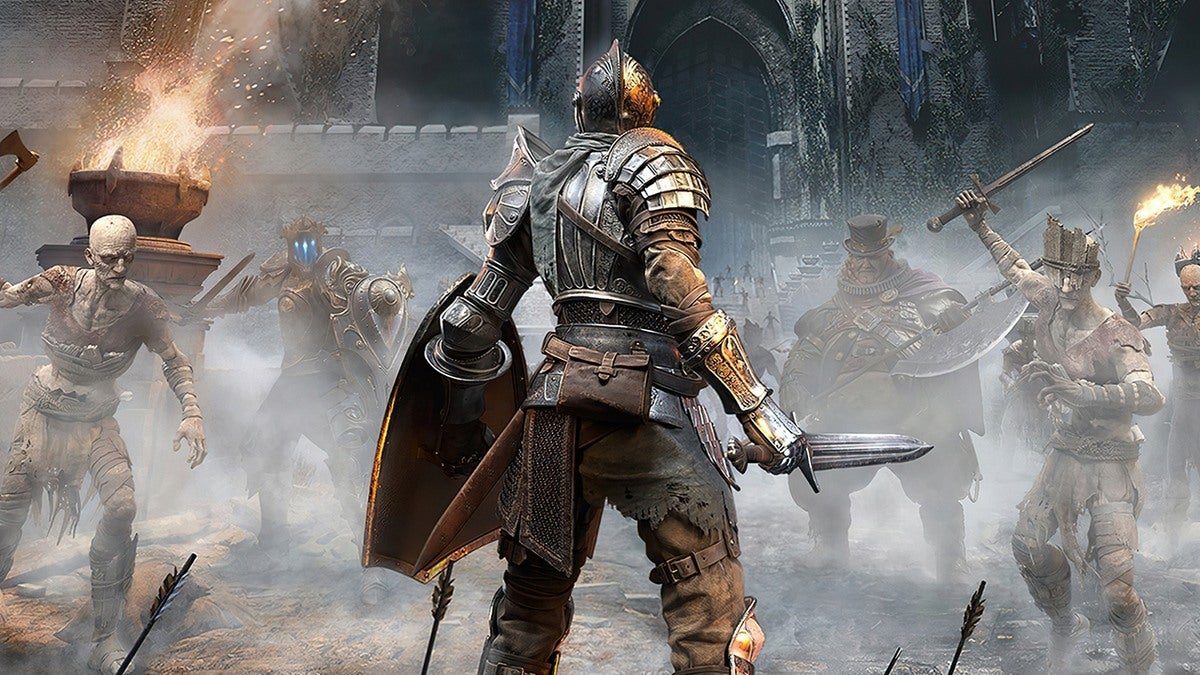
Demons Souls: Revolutionizing Difficulty in Modern Gaming
Demon's Souls: Revolutionizing Difficulty in Modern Gaming
Demon's Souls, released in 2009 by FromSoftware, has profoundly impacted the gaming landscape, particularly in how difficulty is perceived in modern titles. The game introduced a level of challenge that was previously unseen, encouraging players to learn from their failures rather than shying away from them. As players journeyed through the treacherous worlds of Boletaria, they faced brutal enemies, intricate level designs, and unforgiving mechanics that demanded both precision and patience. This unique, demanding gameplay experience set the foundation for a genre that many now refer to as "Souls-like," influencing countless games that followed while establishing a dedicated fan base.
A New Standard in Difficulty
What sets Demon’s Souls apart is its deliberate approach to difficulty. Unlike traditional action RPGs that often provide an easing progression curve, Demon’s Souls punishes mistakes and rewards perseverance. Players must confront towering bosses that require meticulous strategies, and the limited checkpoints force them to navigate perilous environments repeatedly. This tough love approach not only challenges the player but also fosters a sense of accomplishment when they finally conquer a seemingly insurmountable obstacle. As word spread about its unforgiving nature, it captivated a community that began to celebrate difficulty as a narrative and gameplay feature, rather than a flaw.
The Role of Community and Learning
Demon’s Souls also introduced innovative multiplayer elements that added to the overall experience of difficulty, letting players assist each other while simultaneously taunting them with ghostly specters of their failures. Players can leave messages for others, offering tips or misleading them into traps, creating a layered social interaction that adds depth to the gameplay. As players navigated the world, they learned from both their own mistakes and the experiences of others. This community-driven learning appeared to revolutionize how video game difficulty can foster collaboration and competition among players, leading to ongoing discussions in forums and social media about techniques, strategies, and lore.
The Demon's Souls Store: A New Dimension of Customization
In the modern examination of Demon’s Souls, one significant aspect that has surfaced is the Demon's Souls Store, which allows players to engage with the game in a new way. The store offers various strategies, guides, and even merchandise that cater to fans of the series, providing an avenue for them to connect deeper with the game. By utilizing the store, players can access detailed walkthroughs that assist in overcoming the game's steep learning curve, enhancing their overall experience. Additionally, the availability of merchandise allows die-hard fans to express their love for the franchise, further solidifying the game's impact on gaming culture and its recognition as a classic.
Legacy and Influence on Modern Games
Today, the influence of Demon’s Souls is evident in many games that adopt a similar ethos of challenging gameplay. Titles such as Bloodborne, Dark Souls, and even more recent releases like Elden Ring continue to push the boundaries of what players can tackle, merging rich storylines with intricate mechanics that are punishing yet rewarding. As developers increasingly embrace the notion of difficulty as an essential part of the gameplay experience, it is clear that Demon’s Souls has birthed a legacy that redefined not just a genre, but player expectations in modern gaming. The challenge that it introduced is now celebrated and sought after, proving that sometimes, the hardest games leave the most significant impressions.